Government Unveils 3 Key Initiatives for Affordable Housing in 2026 – A Step-by-Step Guide to Accessing New Programs (PRACTICAL SOLUTIONS)
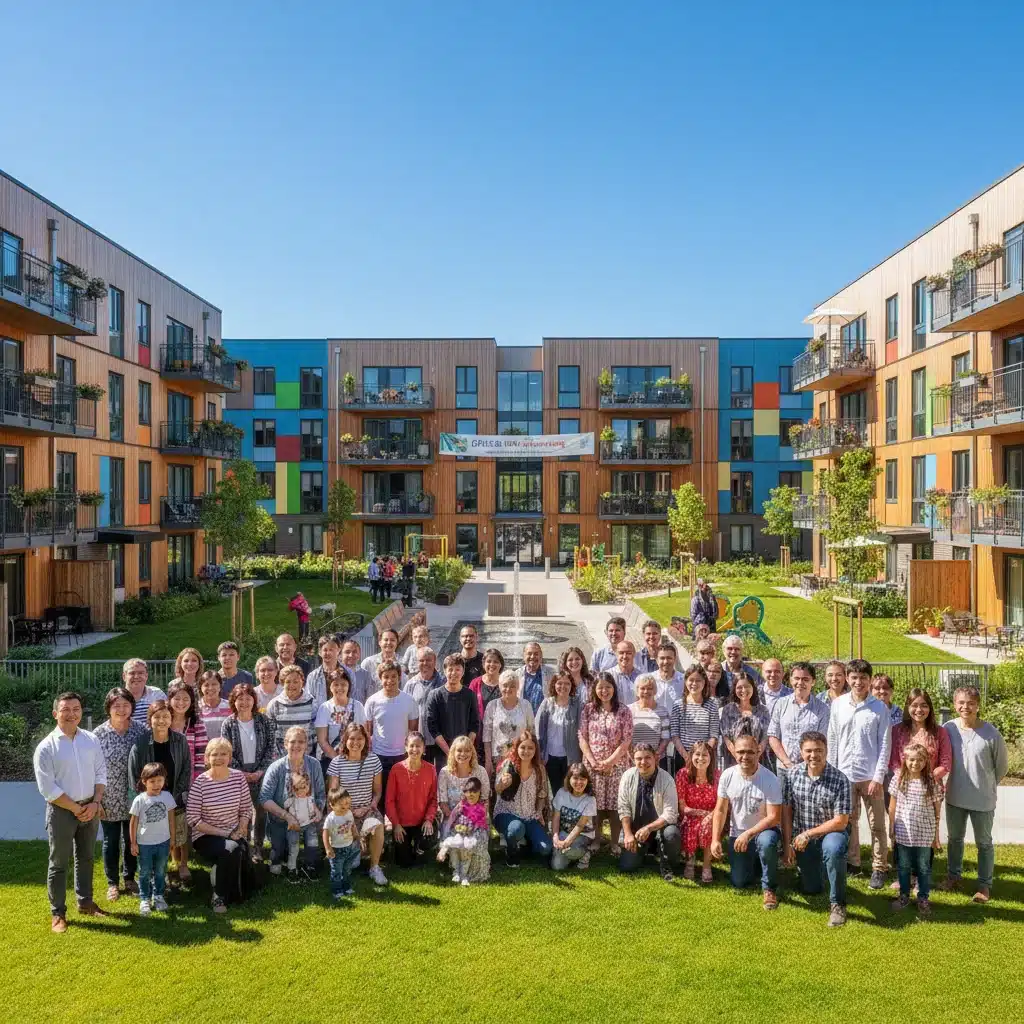
In an era where the cost of living continues to climb, the challenge of securing affordable housing remains a pressing concern for millions. Recognizing this critical need, the government has announced a series of robust affordable housing initiatives slated for 2026. These programs are designed to alleviate the financial burden on low and middle-income families, first-time homebuyers, and vulnerable populations, providing practical solutions to a complex problem. This comprehensive guide will delve into the three key initiatives, offering a step-by-step approach to understanding eligibility, application processes, and maximizing your chances of securing assistance.
The commitment to ensuring every citizen has access to safe, stable, and affordable housing is a cornerstone of societal well-being. These new government housing programs are not merely temporary fixes but represent a strategic, long-term investment in community development and economic stability. By understanding the nuances of each initiative, individuals can empower themselves with the knowledge to navigate the often-intimidating landscape of housing assistance. Our focus here is on practicality – providing you with actionable insights and clear instructions to help you access these vital resources.
Understanding the Landscape: Why New Affordable Housing Initiatives Are Crucial
Before we dive into the specifics of the 2026 affordable housing initiatives, it’s essential to grasp the broader context. The housing crisis is multifaceted, driven by factors such as stagnant wages, rising property values, limited housing supply, and increasing demand. These elements combine to create a market where affordable options are scarce, pushing many individuals and families to the brink. The government’s response, through these new programs, aims to address these underlying issues by increasing housing availability, providing financial aid, and fostering sustainable community growth.
The impact of a lack of affordable housing extends beyond individual hardship; it affects public health, education, and economic productivity. When families spend an excessive portion of their income on housing, they have less for food, healthcare, and education, perpetuating cycles of poverty. Therefore, these government initiatives are not just about houses; they are about building stronger, more resilient communities. They represent a proactive approach to a systemic challenge, offering hope and tangible solutions to those most in need. Understanding this foundational principle will help you appreciate the value and potential of these new programs.
The Economic and Social Impact of Housing Affordability
The ripple effects of housing affordability are profound. Economically, a lack of affordable housing can stifle local economies by reducing consumer spending and hindering workforce mobility. Businesses struggle to attract and retain employees if housing costs are prohibitive, leading to labor shortages and reduced economic output. Socially, housing instability is linked to poorer educational outcomes for children, increased stress and health problems for adults, and higher rates of homelessness. These new affordable housing initiatives are designed to counteract these negative trends, fostering environments where individuals and communities can thrive.
Moreover, the initiatives aim to promote equitable access to housing, addressing historical disparities and ensuring that marginalized communities are not left behind. By targeting specific needs and demographics, the programs strive to create a more inclusive housing market. This holistic approach underscores the government’s commitment to not just providing shelter, but also to building foundations for long-term prosperity and social justice. As we explore each initiative, keep in mind the broader societal benefits they are intended to achieve, beyond individual financial relief.
Key Initiative 1: The First-Time Homebuyer’s Boost Program
One of the most anticipated affordable housing initiatives for 2026 is the First-Time Homebuyer’s Boost Program. This initiative is specifically tailored to assist individuals and families who are looking to purchase their first home but are struggling with down payments, closing costs, or securing favorable mortgage rates. The program aims to make homeownership a more attainable dream, thereby increasing stability and wealth-building opportunities for eligible participants.
Eligibility Criteria for the First-Time Homebuyer’s Boost Program
To qualify for the First-Time Homebuyer’s Boost Program, applicants must meet several key criteria:
- First-Time Homebuyer Status: Applicants must not have owned a home in the past three years. This definition typically includes individuals who have never owned a home or those who previously owned a home but have not done so for a specified period.
- Income Limitations: There will be income caps based on the average median income (AMI) for the specific geographic area. These limits are designed to ensure that the program benefits those who genuinely need assistance. Details on specific income thresholds will be released closer to the program’s launch.
- Credit Score Requirements: While not as stringent as conventional mortgages, applicants will likely need to demonstrate a reasonable credit history to qualify. Educational resources will be provided to help applicants improve their credit scores if necessary.
- Occupancy Requirement: The purchased property must be the applicant’s primary residence. Investment properties or secondary homes will not be eligible under this initiative.
- Homebuyer Education: Many programs of this nature require participants to complete an approved homebuyer education course. This ensures applicants are well-informed about the responsibilities and processes of homeownership.
Benefits of the Program
The First-Time Homebuyer’s Boost Program offers a range of benefits designed to significantly reduce the barriers to homeownership:
- Down Payment Assistance: Qualified applicants may receive grants or low-interest loans to cover a portion of their down payment, significantly reducing the upfront financial burden.
- Closing Cost Subsidies: Assistance with closing costs, which can often amount to thousands of dollars, will also be available, further easing the financial strain.
- Reduced Interest Rates: Partnerships with lenders will allow for access to mortgages with lower-than-market interest rates, making monthly payments more manageable.
- Financial Counseling: Participants will have access to free financial counseling services to help them manage their finances, understand their mortgage, and plan for future homeownership costs.
Step-by-Step Application Process
- Verify Eligibility: Begin by checking if you meet all the income, credit, and first-time homebuyer criteria. Use the official government portal or contact a certified housing counselor.
- Complete Homebuyer Education: Enroll in and successfully complete an approved homebuyer education course. This can often be done online or through local housing agencies.
- Gather Documentation: Collect all necessary financial documents, including proof of income, tax returns, bank statements, and credit reports. A detailed checklist will be provided by the program.
- Connect with Approved Lenders: The program will have a list of approved lenders participating in the initiative. Work with one of these lenders to get pre-approved for a mortgage.
- Submit Your Application: Once pre-approved and all documentation is ready, submit your formal application through the designated program portal or authorized agency.
- Await Approval and Closing: After submission, your application will be reviewed. Upon approval, you will proceed with the home purchase, utilizing the program’s benefits during the closing process.
Key Initiative 2: The Rental Assistance & Stability Program (RASP)
The second major affordable housing initiative for 2026 is the Rental Assistance & Stability Program (RASP). This program is aimed at providing crucial support to renters who are at risk of homelessness or are spending an unsustainable portion of their income on rent. RASP focuses on both direct financial assistance and resources to promote long-term rental stability, addressing a critical need for many households.
Who is RASP For?
RASP targets specific populations, including:
- Low-income individuals and families.
- Seniors on fixed incomes.
- Individuals with disabilities.
- Veterans.
- Those experiencing temporary financial hardship due to unforeseen circumstances.
Benefits of the Rental Assistance & Stability Program
RASP offers a multi-pronged approach to rental support:
- Direct Rental Subsidies: Eligible participants will receive monthly rental subsidies, paid directly to landlords, to help cover a portion of their rent, ensuring it remains affordable (typically no more than 30% of their income).
- Eviction Prevention Services: The program will include legal aid and mediation services to prevent evictions, helping tenants understand their rights and landlords resolve disputes constructively.
- Housing Search Assistance: For those struggling to find affordable rental units, RASP will offer resources and guidance to connect applicants with available and suitable housing options.
- Financial Literacy Workshops: To promote long-term stability, participants will have access to workshops on budgeting, financial planning, and understanding lease agreements.
Accessing RASP: A Practical Guide
- Determine Eligibility: Check the income thresholds and specific criteria for RASP, which will be published on official government housing websites. These often vary by location and household size.
- Locate Your Local Housing Authority: RASP will be administered through local housing authorities or designated community organizations. Find the contact information for the agency serving your area.
- Schedule an Intake Interview: Contact the local agency to schedule an intake interview. During this session, you will discuss your housing situation, financial status, and needs.
- Submit Required Documentation: Prepare documents such as proof of income (pay stubs, benefit letters), identification, current lease agreement, and any relevant medical or disability documentation.
- Application Review and Approval: Your application will be reviewed by the housing authority. If approved, you will receive notification of the rental subsidy amount and instructions on how it will be disbursed to your landlord.
- Ongoing Support: Participate in available workshops and utilize the support services to maintain stable housing and improve your financial well-being.

Key Initiative 3: Community Development & Affordable Housing Fund (CDAHF)
The third significant affordable housing initiative for 2026 is the Community Development & Affordable Housing Fund (CDAHF). Unlike the first two initiatives which directly assist individuals, CDAHF is designed to stimulate the development and preservation of affordable housing units at a community level. This fund will provide grants, loans, and technical assistance to non-profit organizations, local governments, and private developers committed to creating or rehabilitating affordable housing projects.
How CDAHF Works
CDAHF operates on the principle that increasing the supply of affordable housing is crucial for long-term solutions. It incentivizes various entities to undertake projects that might otherwise be financially unfeasible. The fund will prioritize projects that:
- Are located in areas with high housing needs.
- Incorporate sustainable and energy-efficient building practices.
- Are designed to serve specific vulnerable populations (e.g., seniors, veterans, individuals with disabilities).
- Promote mixed-income communities.
- Leverage additional private and public funding sources.
Benefits of the CDAHF Initiative
The benefits of CDAHF extend beyond the direct creation of housing units:
- Increased Housing Supply: Directly contributes to increasing the number of available affordable rental and ownership units.
- Economic Growth: Project development creates jobs in construction, planning, and related industries.
- Community Revitalization: Investment in housing can spur broader community development, improving infrastructure and services in underserved areas.
- Innovation in Housing: Encourages the adoption of new technologies and sustainable building practices, leading to more resilient and environmentally friendly housing.
How Communities and Developers Can Access CDAHF
- Review Program Guidelines: Organizations and developers interested in CDAHF funding must thoroughly review the detailed program guidelines, which will outline eligibility, funding priorities, and application requirements.
- Identify a Project: Develop a detailed proposal for an affordable housing project that aligns with CDAHF’s objectives and priorities.
- Prepare a Comprehensive Application: This will include project plans, financial projections, environmental impact assessments, community engagement strategies, and letters of support.
- Submit Application: Applications will typically be submitted through a competitive grant or loan process, with specific deadlines and submission portals.
- Undergo Review and Selection: Applications will be reviewed by a panel of experts based on established criteria. Successful applicants will be notified and enter into agreements for funding.
- Project Implementation and Reporting: Awardees will implement their projects, adhering to all program requirements, and provide regular progress reports to the funding agency.
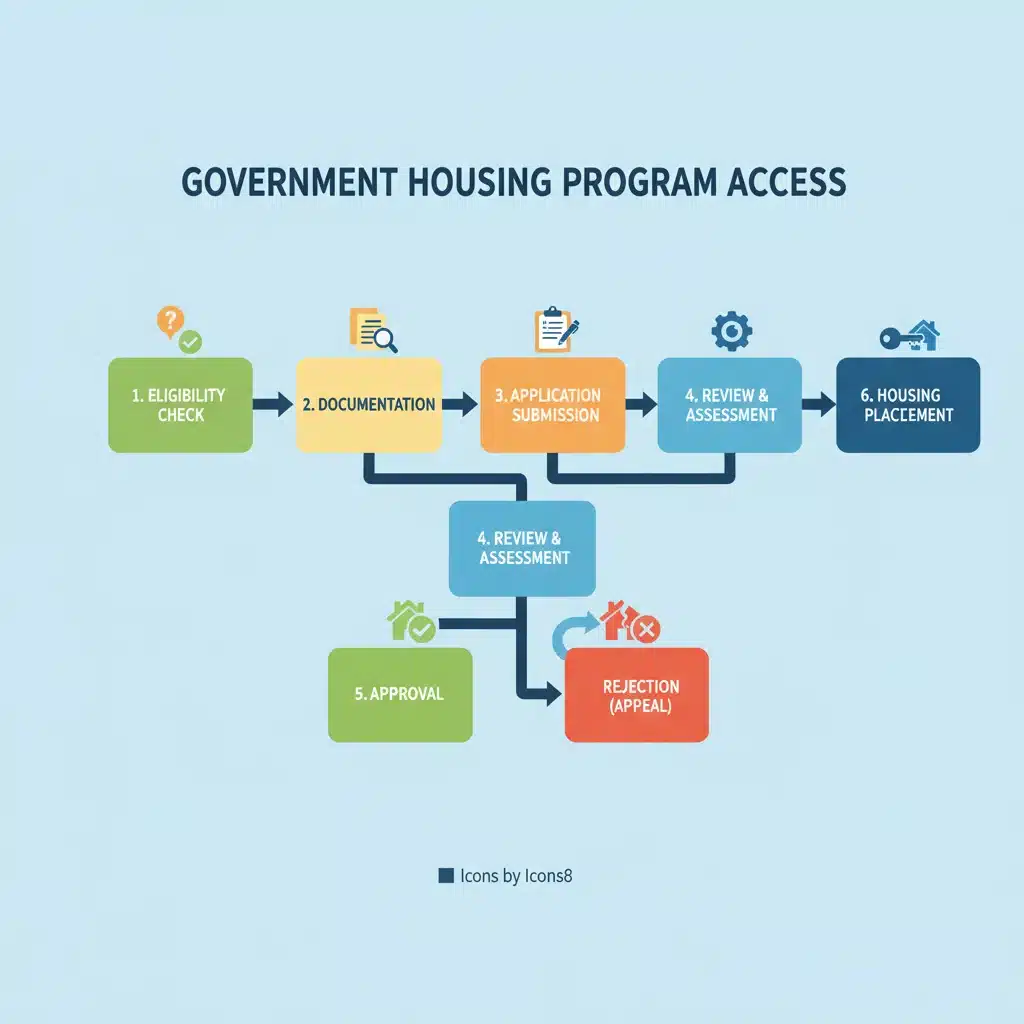
Practical Tips for Navigating Affordable Housing Programs
Accessing affordable housing initiatives can be a complex process, but with the right approach, it becomes much more manageable. Here are some practical tips to enhance your chances of success:
1. Start Early and Be Proactive
Housing programs often have limited funding and high demand. As soon as details for the 2026 affordable housing initiatives are released, begin your research and gather necessary documents. Don’t wait until the last minute to apply.
2. Understand All Eligibility Requirements
Each program has specific criteria. Read them carefully. If you’re unsure about any requirement, seek clarification from official sources or housing counselors. Misunderstanding eligibility is a common reason for application rejection.
3. Organize Your Documents Meticulously
You will need a range of documents, including proof of income, identification, tax returns, bank statements, and potentially credit reports. Create a dedicated folder (physical and digital) for all program-related documents. Having everything organized will streamline the application process and prevent delays.
4. Seek Professional Guidance
Don’t hesitate to consult with housing counselors, non-profit organizations specializing in housing assistance, or legal aid services. These professionals can provide invaluable guidance, help you understand complex forms, and advocate on your behalf if needed. Many services are free or low-cost.
5. Be Patient and Persistent
The application process can take time. There may be waiting lists or multiple steps involved. Remain patient, follow up politely when appropriate, and don’t get discouraged by initial setbacks. Persistence often pays off.
6. Attend Information Sessions
Many housing authorities and community organizations host informational workshops or webinars about new programs. Attending these sessions can provide crucial insights, answer your questions, and connect you with resources.
7. Maintain Good Financial Habits
Whether you’re applying for homeownership or rental assistance, demonstrating financial responsibility is key. Work on improving your credit score, reducing debt, and maintaining a stable income. These habits will not only help your application but also ensure long-term housing stability.
8. Explore Local and State Programs
In addition to federal initiatives, many states and local municipalities offer their own affordable housing programs. Researching these can provide additional layers of support or alternatives if federal programs don’t fully meet your needs. A combination of programs might be the most effective strategy.
The Future of Affordable Housing: A Collective Effort
The government’s 2026 affordable housing initiatives represent a significant step forward in addressing the housing crisis. However, it’s important to remember that creating truly sustainable and equitable housing solutions is a collective effort. It requires ongoing commitment from government agencies, active participation from communities, innovation from developers, and informed engagement from citizens.
These programs are not just about providing homes; they are about fostering economic opportunity, improving public health, and strengthening the social fabric of our nation. By understanding and utilizing these new affordable housing initiatives, individuals can secure stable living situations, and communities can build a more prosperous future. Stay informed, stay proactive, and take advantage of the resources available to you.
The journey to securing affordable housing can be challenging, but with these new government programs and a diligent approach, the path becomes clearer. We encourage all eligible individuals and organizations to explore these opportunities and contribute to the vision of a society where everyone has a place to call home. The year 2026 marks a pivotal moment in the ongoing effort to ensure housing affordability for all, offering practical solutions and renewed hope.