2026 College Admissions: Your 3-Month Action Plan
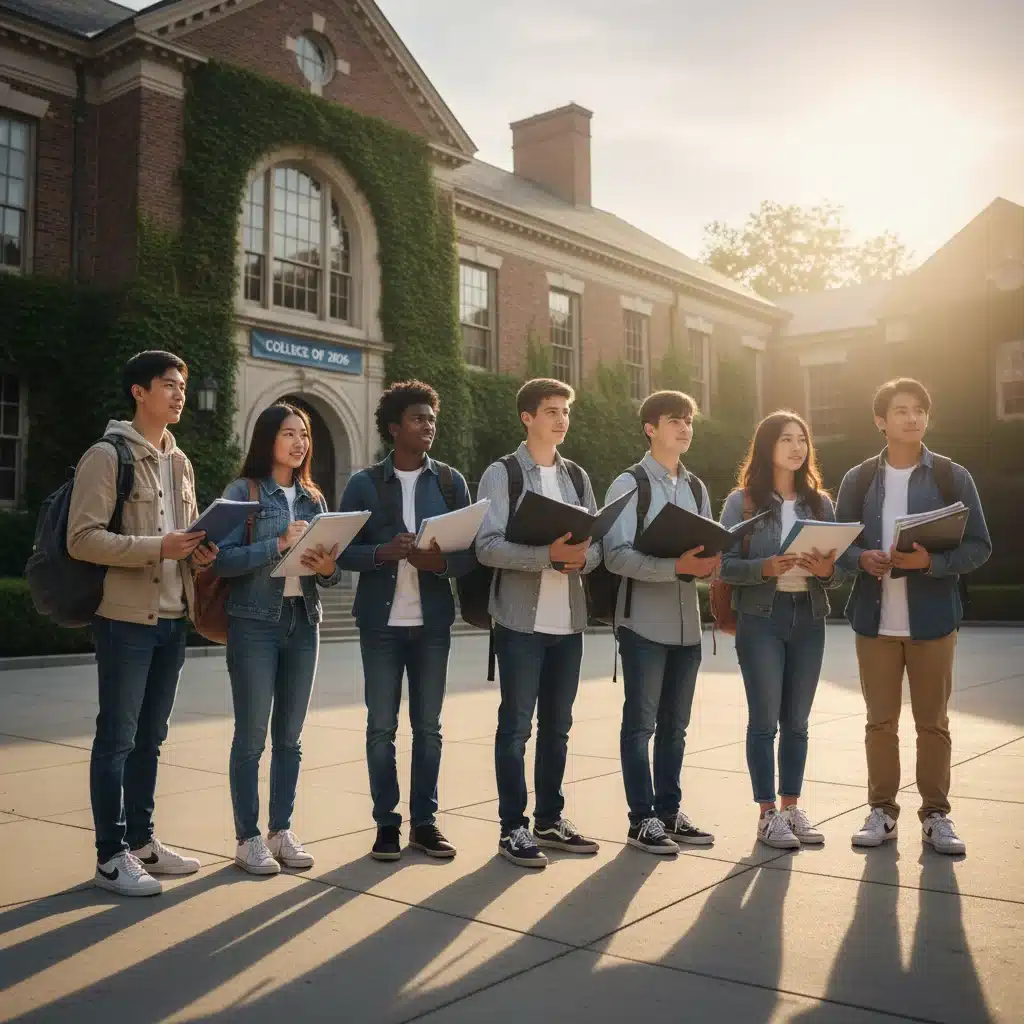
Navigating 2026 College Admissions: A Comprehensive 3-Month Action Plan for High School Seniors
The journey to college is often described as one of the most exciting yet daunting periods in a young person’s life. For high school seniors eyeing the 2026 College Admissions cycle, the pressure is palpable, and the stakes are high. As the application deadlines loom, a well-structured plan becomes not just helpful, but essential. This comprehensive guide is designed to provide you with a detailed, month-by-month action plan, ensuring you approach the 2026 College Admissions process with confidence, clarity, and a strategic edge. We’ll break down the crucial steps, offer expert advice, and help you stay on track to secure your spot at your dream institution.
Understanding the 2026 College Admissions Landscape
Before diving into the specifics of your action plan, it’s vital to grasp the current environment of 2026 College Admissions. Each year brings subtle shifts in application trends, essay prompts, and financial aid policies. Colleges are increasingly looking for authenticity, demonstrated interest, and a holistic view of applicants. This means your academic record, extracurricular involvement, leadership roles, and personal narrative all play a significant role. Understanding these nuances will help you tailor your approach and highlight your unique strengths.
The competition for spots in top-tier universities continues to intensify, making early preparation and meticulous attention to detail paramount. Furthermore, the evolving landscape of standardized testing (SAT/ACT) policies—with many institutions remaining test-optional or test-blind—requires careful consideration of whether and how to submit scores. Keeping abreast of these changes for the 2026 College Admissions cycle is your first step towards success.
Moreover, the rise of specialized programs and interdisciplinary studies means that simply having good grades isn’t always enough. Colleges want to see how you’ve explored your interests, taken initiative, and contributed to your community. This holistic review process is a cornerstone of modern 2026 College Admissions, emphasizing that your application is a narrative, not just a list of achievements.
Finally, the importance of demonstrated interest cannot be overstated. Engaging with colleges through virtual tours, information sessions, and even direct communication with admissions counselors can positively impact your application. Colleges want to admit students who genuinely want to be there, and showing that enthusiasm is a key component of a successful 2026 College Admissions strategy.
Month 1: Laying the Foundation for 2026 College Admissions Success
Week 1-2: Finalizing Your College List and Understanding Requirements
The first step in any successful 2026 College Admissions strategy is to finalize your list of prospective colleges. This isn’t just about identifying schools you like; it’s about creating a balanced list that includes ‘reach,’ ‘target,’ and ‘safety’ schools. Consider factors such as academic programs, campus culture, location, size, and cost. Research each institution’s specific application requirements, deadlines, and preferred standardized test policies. Are they Common App, Coalition App, or their own proprietary application? Knowing this upfront will save you considerable time and stress.
- Research Deeply: Go beyond rankings. Look into specific departments, faculty research, and student organizations that align with your interests.
- Check Deadlines: Create a master spreadsheet with all application deadlines, including early action, early decision, regular decision, and scholarship deadlines. This is crucial for managing your 2026 College Admissions timeline.
- Standardized Tests: If you plan to submit SAT/ACT scores, ensure you have a plan for any last-minute testing or score submission. Understand each college’s test-optional/blind policy.
- Financial Aid: Start exploring financial aid options. Understand the FAFSA (Free Application for Federal Student Aid) and CSS Profile requirements for each school.
Week 3-4: Brainstorming and Outlining Your Personal Statement (Common App Essay)
The personal statement is arguably the most critical component of your 2026 College Admissions application. It’s your opportunity to showcase your personality, values, and unique experiences in a way that grades and test scores cannot. Don’t rush this process. Spend significant time brainstorming topics that reveal something meaningful about you. Avoid clichés and focus on storytelling. What challenges have you overcome? What passions drive you? What lessons have you learned? The Common App essay prompts are typically released in the spring, giving you ample time to prepare.
- Understand the Prompts: Familiarize yourself with the current Common App essay prompts. Choose the one that best allows you to tell your story.
- Brainstorm Ideas: Jot down anything and everything that comes to mind. Think about pivotal moments, significant achievements, or even seemingly small experiences that shaped you.
- Outline Your Essay: Structure your essay with a clear beginning, middle, and end. Develop a strong hook, compelling anecdotes, and a reflective conclusion. Focus on showing, not just telling.
- Start Drafting: Don’t aim for perfection in your first draft. Get your ideas down on paper (or screen) and allow yourself to explore different angles. This initial drafting phase is essential for your 2026 College Admissions essay.
Remember, the goal of your personal statement for 2026 College Admissions is to make admissions officers remember you. It’s your voice, your story, and your chance to stand out in a competitive pool of applicants. Take your time, be authentic, and let your personality shine through.
Month 2: Deep Dive into Applications and Recommendations
Week 5-6: Crafting Supplemental Essays and Requesting Recommendations
Beyond the personal statement, many colleges require supplemental essays. These essays are often tailored to specific institutions, asking questions like ‘Why Us?’ or ‘What will you contribute to our campus community?’ These are not optional; they are critical opportunities to demonstrate genuine interest and fit. For 2026 College Admissions, showing that you’ve done your homework on each school is paramount. Simultaneously, this is the ideal time to formally request letters of recommendation.

- Research Supplemental Prompts: Each college’s supplemental essays are unique. Analyze them carefully to understand what information they seek.
- Tailor Your Responses: Avoid generic answers. Reference specific programs, professors, courses, or campus events that genuinely excite you about that particular institution.
- Identify Recommenders: Choose teachers who know you well and can speak to your academic abilities, character, and contributions in the classroom. A counselor recommendation is also typically required.
- Provide a Brag Sheet: Furnish your recommenders with a ‘brag sheet’ or resume that highlights your achievements, extracurriculars, and specific qualities you’d like them to emphasize. Give them ample time, ideally several weeks before the deadline.
Week 7-8: Refining Essays and Completing Application Sections
With initial drafts of your essays complete, it’s time for rigorous revision. Seek feedback from trusted teachers, counselors, or mentors. They can offer fresh perspectives and help you refine your arguments, strengthen your voice, and catch any grammatical errors. While refining your essays, also begin filling out the factual sections of your applications, such as personal information, academic history, extracurricular activities, and awards. Accuracy is key for 2026 College Admissions.
- Edit and Proofread: Read your essays aloud to catch awkward phrasing. Check for grammar, spelling, and punctuation errors. A fresh pair of eyes can be invaluable.
- Quantify Achievements: When listing extracurriculars and awards, use numbers and specific details to demonstrate impact (e.g., ‘Led a team of 10 volunteers’ instead of ‘Volunteered’).
- Review Transcripts and Test Scores: Ensure all academic records are accurate and that any standardized test scores you wish to submit have been sent directly from the testing agency.
- Demonstrated Interest: Continue engaging with colleges on your list. Attend virtual events, sign up for mailing lists, and consider reaching out to admissions representatives with thoughtful questions. This helps colleges see your genuine interest in their 2026 College Admissions pool.
This phase is about meticulous detail and ensuring every piece of your application reflects your best self. Every sentence, every data point, contributes to the overall impression you make on the admissions committee for 2026 College Admissions.
Month 3: Final Touches, Submission, and Financial Planning
Week 9-10: Final Application Review and Submission Strategy
As deadlines approach, the focus shifts to a thorough final review of all application components. This is not the time for new essays or major overhauls, but rather for meticulous proofreading and ensuring everything is aligned. Develop a submission strategy, paying close attention to early action/early decision deadlines versus regular decision. For 2026 College Admissions, submitting a polished application on time is far more important than a rushed, last-minute submission.
- Comprehensive Review: Read through your entire application one last time – every section, every essay, every detail. Imagine you are an admissions officer. Does it tell a compelling story?
- Check for Consistency: Ensure all information is consistent across different parts of your application and any common application platforms.
- Plan Your Submissions: Decide which applications you will submit for early action/early decision and which for regular decision. Understand the binding nature of early decision.
- Confirm Recommendations: Politely follow up with your recommenders to ensure they have submitted their letters. Most application platforms will show you the status.
Week 11-12: Financial Aid Applications and Post-Submission Actions
Submitting your applications is a huge milestone, but the journey isn’t over. Financial aid is a critical component of 2026 College Admissions for many families. This period is dedicated to completing the FAFSA and CSS Profile, applying for scholarships, and preparing for potential interviews. Remember, financial aid deadlines can be separate from application deadlines, so keep track of both.

- Complete FAFSA and CSS Profile: These forms are essential for federal and institutional financial aid. Gather all necessary financial documents (tax returns, W-2s, bank statements).
- Scholarship Search: Continue actively searching and applying for external scholarships. Many local and national scholarships have deadlines around this time.
- Prepare for Interviews: Some colleges offer or require interviews. If you are invited, prepare by researching the school, practicing common interview questions, and formulating your own questions to ask.
- Demonstrate Continued Interest: After submission, you can still show interest. Send a brief, polite email to your admissions representative reiterating your excitement about the school, especially if you have significant updates (e.g., a new award or achievement). This is a subtle but effective strategy for 2026 College Admissions.
- Maintain Academic Performance: Your senior year grades still matter. Colleges can rescind offers if there’s a significant drop in academic performance.
This final month ensures that not only is your application complete and compelling, but your financial planning is also in order, setting you up for a smooth transition into college life after the 2026 College Admissions cycle.
Beyond the Application: What Comes Next for 2026 College Admissions?
Once all your applications are submitted, a period of anxious waiting begins. This can be challenging, but it’s important to remain patient and focus on your current responsibilities. Continue to excel in your classes, participate in extracurriculars, and enjoy your senior year. Your hard work during the 2026 College Admissions process will soon pay off.
Handling Decisions and Making Your Choice
Decision letters for 2026 College Admissions typically arrive between late March and early April. You might receive acceptances, deferrals, or rejections. It’s crucial to approach these decisions with perspective. An acceptance is a cause for celebration, but a deferral or rejection is not a reflection of your worth. If deferred, some colleges allow you to submit additional information (a ‘letter of continued interest,’ updated grades, new achievements). If rejected, remember that college admissions are highly competitive, and there are many paths to a successful future.
If you receive multiple acceptances, congratulations! Now comes the exciting task of choosing where to attend. Revisit your college list, consider financial aid packages, and if possible, attend accepted student days. Talk to current students, faculty, and alumni. Weigh the pros and cons of each institution carefully. The National College Decision Day is typically May 1st, giving you time to make an informed decision for your 2026 College Admissions outcome.
Preparing for the Transition
Once you’ve made your decision and submitted your enrollment deposit, the focus shifts to preparing for college life. This includes:
- Orientation: Sign up for and attend new student orientation programs.
- Housing: Complete housing applications and understand your options for living on campus.
- Course Registration: Work with academic advisors to register for your first semester’s courses.
- Financial Aid Finalization: Ensure all financial aid paperwork is complete and loans (if applicable) are processed.
- Emotional Preparation: Talk to family and friends about your excitement and any anxieties you might have. Prepare for the independence and new challenges that college brings.
The transition from high school to college is a significant life change, and being prepared both logistically and emotionally will make it smoother. The efforts you put into your 2026 College Admissions journey will culminate in this exciting new chapter.
Key Takeaways for Successful 2026 College Admissions
Navigating the 2026 College Admissions process can feel like a marathon, but with a strategic 3-month action plan, you can break it down into manageable sprints. Here are the core principles to remember:
- Start Early: Procrastination is the enemy of a strong application. The earlier you begin, the more time you have for refinement.
- Be Organized: A master spreadsheet of deadlines, requirements, and essay prompts will be your best friend.
- Be Authentic: Your essays and application should reflect your true self, your passions, and your unique story.
- Seek Feedback: Don’t be afraid to ask for help and get multiple perspectives on your essays and application materials.
- Demonstrate Interest: Show colleges why you want to attend their institution specifically.
- Stay Positive: The process can be stressful, but maintaining a positive outlook and celebrating small victories will help you persevere.
- Financial Planning: Integrate financial aid applications and scholarship searches into your overall plan from the outset.
- Maintain Academics: Your senior year grades are still important. Finish strong!
The 2026 College Admissions cycle is an opportunity to reflect on your achievements, articulate your aspirations, and take a significant step towards your future. By following this detailed 3-month action plan, high school seniors can approach this pivotal period with confidence, ensuring they present the strongest possible application and open the doors to their next academic adventure.