Expert Insights: How to Rebalance Your Portfolio for 2026 Market Volatility (INSIDER KNOWLEDGE)

Expert Insights: How to Rebalance Your Portfolio for 2026 Market Volatility (INSIDER KNOWLEDGE)
As we inch closer to 2026, the financial landscape continues to evolve at an unprecedented pace. Investors are increasingly facing a complex tapestry of geopolitical shifts, technological advancements, and economic fluctuations that demand a proactive approach to wealth management. The concept of portfolio rebalancing 2026 is not merely a technical exercise; it’s a strategic imperative for safeguarding and growing your investments amidst anticipated market volatility. This comprehensive guide will delve into insider knowledge, offering actionable strategies and expert insights to help you navigate the future with confidence.
Understanding the nuances of market dynamics in the mid-2020s requires a forward-looking perspective. Traditional investment models, while foundational, may not fully capture the emergent risks and opportunities. Therefore, a robust framework for portfolio rebalancing 2026 must be built upon a clear understanding of macroeconomic indicators, sector-specific trends, and individual risk tolerance. Our aim is to equip you with the knowledge to not just react to market changes, but to anticipate and strategically position your portfolio for optimal performance.
The Imperative of Proactive Portfolio Rebalancing for 2026
Why is portfolio rebalancing 2026 so crucial? The answer lies in the inherent nature of financial markets. Over time, different asset classes perform differently. Some may surge, others may lag, causing your initial asset allocation to drift significantly from your target. This drift can expose you to unintended risks or cause you to miss out on potential gains. For instance, if your equity holdings have outperformed significantly, they might now constitute a larger percentage of your portfolio than you originally intended, increasing your overall risk exposure. Conversely, underperforming assets might diminish your diversification benefits. The goal of rebalancing is to restore your portfolio to its desired asset allocation, aligning it with your financial goals and risk profile.
Moreover, the period leading up to and including 2026 is projected to be characterized by heightened volatility. Factors such as evolving monetary policies, supply chain disruptions, energy market fluctuations, and the accelerating pace of technological innovation (e.g., AI, quantum computing, biotech) are all contributing to an environment where market swings could be more pronounced. Without regular and strategic portfolio rebalancing 2026, investors risk being caught off guard, potentially suffering significant losses during downturns or failing to capitalize on upturns. It’s about maintaining discipline and ensuring your portfolio remains resilient and aligned with your long-term vision.
Defining Your Target Asset Allocation: The Foundation of Rebalancing
Before you can rebalance, you must first define your target asset allocation. This is the cornerstone of any effective investment strategy. Your target allocation should be a direct reflection of your investment goals, time horizon, and risk tolerance. Are you saving for retirement in 20 years, or a down payment on a house next year? Do you have a high tolerance for risk, seeking aggressive growth, or do you prefer a more conservative approach with an emphasis on capital preservation?
Typical asset classes include:
- Equities (Stocks): Offer potential for higher returns but come with higher volatility.
- Fixed Income (Bonds): Generally provide stability and income, acting as a buffer during market downturns.
- Real Estate: Can offer diversification and inflation hedge, though illiquidity can be a factor.
- Commodities: Such as gold or oil, can hedge against inflation and geopolitical risks.
- Alternative Investments: Including private equity, hedge funds, or cryptocurrencies, which can offer unique risk-return profiles but often come with higher complexity and lower liquidity.
For 2026, consider how these traditional and emerging asset classes might perform under various economic scenarios. For example, if inflation remains a concern, commodities and real estate might be more attractive. If technological disruption continues at its current pace, growth-oriented tech stocks could still offer significant upside, but also higher risk. A thorough self-assessment or consultation with a financial advisor is crucial to establish an appropriate and personalized target allocation for your portfolio rebalancing 2026 strategy.
Key Market Drivers and Forecasts for 2026
Forecasting the market is notoriously difficult, but understanding potential drivers helps inform your rebalancing decisions. For 2026, several key themes are likely to dominate the economic and financial landscape:
- Inflationary Pressures: While central banks aim to control inflation, persistent supply chain issues, geopolitical tensions, and robust demand in certain sectors could keep price pressures elevated. This impacts bond yields and corporate earnings.
- Interest Rate Environment: Central bank policies will continue to be a major determinant of market direction. The trajectory of interest rates will influence borrowing costs, corporate profitability, and the attractiveness of different asset classes.
- Technological Disruption: Artificial intelligence, biotechnology, and renewable energy are not just buzzwords; they are transformative forces. Companies at the forefront of these innovations could see exponential growth, while those unable to adapt may struggle. This presents both opportunities and risks for equity investors.
- Geopolitical Landscape: Global stability, trade relations, and regional conflicts will inevitably cast a shadow on investor sentiment and commodity prices. Diversification across different geographies and asset classes can mitigate these risks.
- Regulatory Environment: Governments worldwide are increasingly scrutinizing tech giants, financial institutions, and environmental practices. New regulations could create headwinds for some sectors and tailwinds for others.
Keeping these factors in mind will help you anticipate potential shifts and make informed decisions about your portfolio rebalancing 2026. It’s not about predicting the future with certainty, but about preparing for a range of possibilities.
Strategies for Effective Portfolio Rebalancing 2026
Once you have your target allocation, the next step is to implement a rebalancing strategy. There are generally two main approaches:
1. Time-Based Rebalancing
This involves rebalancing your portfolio at fixed intervals, such as annually or semi-annually. The advantage of this method is its simplicity and discipline. You set a date, and regardless of market conditions, you adjust your portfolio back to its target allocation. For instance, you might decide to perform your portfolio rebalancing 2026 every January. This prevents emotional decision-making and ensures a consistent approach.
Pros:
- Discipline: Forces you to stick to your plan, avoiding impulsive reactions to market swings.
- Simplicity: Easy to implement and understand.
- Regular Review: Ensures you regularly assess your portfolio’s alignment with your goals.
Cons:
- Missed Opportunities: Might not capture significant market movements between rebalancing periods.
- Transaction Costs: Could incur unnecessary trading fees if market drift is minimal.
2. Threshold-Based Rebalancing
This method involves rebalancing only when an asset class deviates by a certain percentage from its target allocation. For example, if your target allocation for equities is 60%, you might set a threshold of 5%. If equities rise to 65% or fall to 55%, you would then rebalance. This approach is more reactive to market movements and can be more efficient in terms of transaction costs, as you only trade when necessary.
Pros:
- Market Responsive: Reacts to significant shifts, ensuring timely adjustments.
- Cost-Efficient: Reduces unnecessary trades and associated fees.
Cons:
- Complexity: Requires more monitoring and can be harder to manage manually.
- Emotional Bias: Could lead to more emotional decisions if thresholds are frequently breached during volatile periods.
For portfolio rebalancing 2026, a hybrid approach might be most effective. For instance, set a primary annual rebalancing date, but also monitor for significant threshold breaches (e.g., 10-15% deviation) that might warrant an interim adjustment. This combines the discipline of time-based rebalancing with the responsiveness of threshold-based rebalancing.
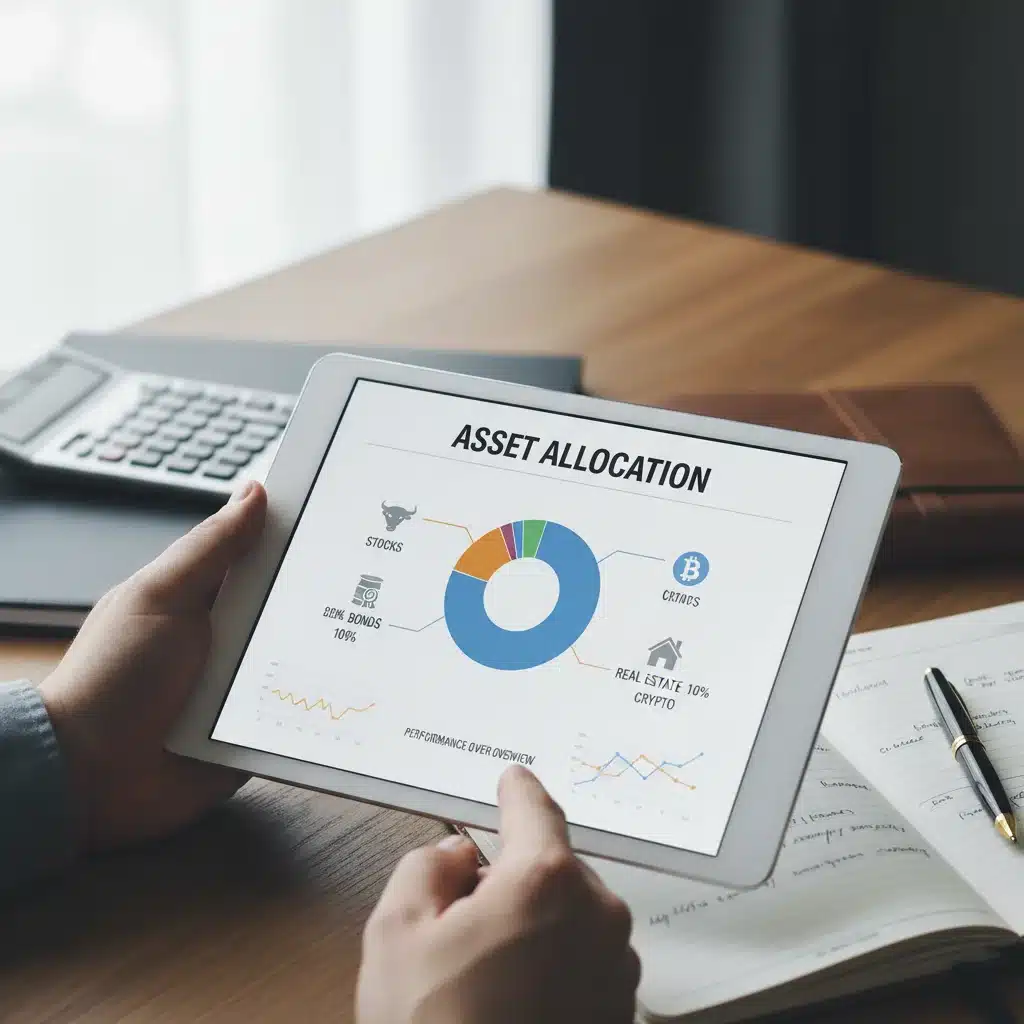
Practical Steps for Rebalancing Your Portfolio
- Review Your Current Allocation: Compare your current asset allocation to your target allocation. Identify which asset classes are over-represented and which are under-represented.
- Determine Your Rebalancing Method: Decide whether you will sell over-performing assets and buy under-performing ones, or if you will simply direct new contributions to under-performing assets. The latter can be tax-efficient if you have significant unrealized gains.
- Execute Trades: Make the necessary buy and sell orders to bring your portfolio back into alignment. Be mindful of transaction costs and potential tax implications (capital gains).
- Document and Review: Keep a record of your rebalancing activities. Regularly review your financial goals and risk tolerance, as these may change over time, necessitating adjustments to your target allocation.
Considerations for Specific Asset Classes in 2026
Let’s look at how specific asset classes might be impacted and how to approach them within your portfolio rebalancing 2026 strategy.
Equities: Navigating Growth and Value in a Shifting Landscape
The equity market in 2026 is likely to be a tale of two cities: continued dominance of innovative growth sectors versus a potential resurgence of undervalued cyclical and value stocks. High-growth technology companies, particularly those leveraging AI, could continue their ascent, but their valuations may also be stretched, increasing their risk profile. Conversely, traditional industries benefiting from infrastructure spending, commodity price stability, or reshoring trends could offer attractive opportunities.
When rebalancing your equity portion, consider:
- Geographic Diversification: Don’t put all your eggs in one geographic basket. Emerging markets, while volatile, could offer higher growth potential. Developed markets provide stability.
- Sectoral Balance: Avoid overconcentration in a single sector. If tech has dominated your portfolio, consider rotating some gains into healthcare, consumer staples, or industrials.
- Factor Investing: Consider factors like value, growth, quality, and momentum. A balanced exposure to these factors can enhance risk-adjusted returns.
For portfolio rebalancing 2026, it may be prudent to trim positions in overvalued growth stocks that have seen significant appreciation and redeploy capital into sectors that are poised for future growth or offer a better value proposition, keeping an eye on earnings potential and dividend yields.
Fixed Income: The Role of Bonds Amidst Inflation and Interest Rates
Bonds typically act as a ballast in a portfolio, providing stability and income. However, in an environment of rising interest rates and persistent inflation, their role becomes more complex. Higher interest rates generally lead to lower bond prices, while inflation erodes the purchasing power of fixed payments.
When rebalancing your fixed income, consider:
- Duration Management: Shorter-duration bonds are less sensitive to interest rate changes. If you anticipate rising rates, shortening your bond duration can reduce interest rate risk.
- Credit Quality: During uncertain times, higher-quality government bonds and investment-grade corporate bonds offer greater safety. High-yield (junk) bonds carry more risk but offer higher returns.
- Inflation-Protected Securities (TIPS): These bonds adjust their principal value with inflation, offering a direct hedge against rising prices.
For portfolio rebalancing 2026, a diversified bond allocation that balances duration, credit quality, and inflation protection will be key to maintaining stability while generating income. Don’t shy away from bonds, but be strategic about the types you hold.
Alternative Investments: Enhancing Diversification and Return Potential
As traditional asset classes face increasing headwinds, alternative investments are gaining traction for their potential to offer diversification and uncorrelated returns. These can include:
- Real Estate: Direct ownership, REITs (Real Estate Investment Trusts), or private real estate funds can provide income and capital appreciation, often acting as an inflation hedge.
- Commodities: Gold, silver, oil, and agricultural products can protect against inflation and geopolitical instability.
- Private Equity/Debt: Investing in private companies or lending to them can offer higher returns but comes with illiquidity and higher risk.
- Cryptocurrencies: While highly volatile, digital assets like Bitcoin and Ethereum could become a small, speculative component for investors with a high-risk tolerance, offering exposure to a nascent asset class with transformative potential.
Integrating alternatives into your portfolio rebalancing 2026 strategy requires careful consideration of liquidity, due diligence, and risk management. They should typically represent a smaller portion of your overall portfolio, commensurate with their higher risk profiles.
Risk Management and Behavioral Biases in Rebalancing
Effective portfolio rebalancing 2026 is not just about numbers; it’s also about managing risk and overcoming behavioral biases. Fear and greed can often lead investors astray, causing them to abandon their strategy at precisely the wrong time.
Common Behavioral Biases to Avoid:
- Herd Mentality: Following the crowd into popular investments without independent analysis.
- Loss Aversion: The tendency to feel the pain of losses more strongly than the pleasure of equivalent gains, leading to holding onto losing investments too long.
- Confirmation Bias: Seeking out information that confirms your existing beliefs and ignoring contradictory evidence.
- Recency Bias: Giving more weight to recent market performance, assuming it will continue indefinitely.
A disciplined rebalancing strategy helps mitigate these biases by enforcing a systematic approach. It forces you to sell high (trimming over-performing assets) and buy low (adding to under-performing assets), which is counter-intuitive for many investors but fundamental to long-term success.
Understanding and Adjusting Your Risk Tolerance
Your risk tolerance is not static. Life events, changes in income, and proximity to financial goals can all influence your capacity and willingness to take on risk. Before executing your portfolio rebalancing 2026, reassess your risk tolerance. Are you comfortable with the potential swings of a highly aggressive portfolio, or would you sleep better with a more conservative allocation? Be honest with yourself, as an allocation that doesn’t align with your comfort level is one you’re more likely to abandon during stressful market periods.
Tax Implications of Portfolio Rebalancing
One critical aspect of rebalancing, especially for taxable accounts, is understanding the tax implications. Selling assets that have appreciated significantly can trigger capital gains taxes. This is why many advisors recommend rebalancing primarily through directing new contributions to under-represented asset classes, or by selling assets that have incurred losses to offset gains (tax-loss harvesting).
For portfolio rebalancing 2026, consider:
- Tax-Loss Harvesting: If you have assets that have declined in value, selling them can generate losses that can be used to offset capital gains and, to a limited extent, ordinary income.
- Asset Location: Placing tax-inefficient investments (e.g., high-dividend stocks, actively managed funds) in tax-advantaged accounts (e.g., 401(k), IRA) and tax-efficient investments (e.g., growth stocks, ETFs) in taxable accounts.
- Holding Period: Long-term capital gains (assets held for more than one year) are generally taxed at lower rates than short-term capital gains. Try to minimize short-term sales if possible.
Consulting with a tax professional or financial advisor is highly recommended to optimize your rebalancing strategy from a tax perspective, ensuring you maximize your after-tax returns.
The Role of Technology and Automation in Rebalancing
In today’s digital age, technology can significantly streamline the rebalancing process. Robo-advisors and advanced investment platforms offer automated rebalancing features that can save time and ensure discipline. These tools can:
- Monitor Deviations: Automatically track your portfolio’s drift from its target allocation.
- Execute Trades: Perform buy and sell orders based on pre-set rules (time-based or threshold-based).
- Optimize for Taxes: Some platforms incorporate tax-loss harvesting and other tax-efficient strategies.
While these tools are powerful, they are not a substitute for understanding your own financial goals and risk tolerance. They are instruments to execute a well-thought-out strategy. For portfolio rebalancing 2026, consider leveraging these technological advancements to maintain consistency and efficiency in your investment management.
Conclusion: Your Roadmap to Resilient Investing in 2026
The journey to 2026 promises a dynamic and potentially volatile market environment. However, with a disciplined and strategic approach to portfolio rebalancing 2026, you can not only mitigate risks but also position your investments for sustained growth. By defining your target asset allocation, understanding key market drivers, employing effective rebalancing strategies, and managing behavioral biases, you build a resilient portfolio capable of weathering future storms and capitalizing on emerging opportunities.
Remember, rebalancing is not a one-time event but an ongoing process. Regularly review your financial goals, adapt to changing market conditions, and don’t hesitate to seek professional guidance. Armed with insider knowledge and a proactive mindset, you are well-equipped to navigate the complexities of the financial markets and achieve your long-term wealth objectives. Start planning your portfolio rebalancing 2026 today to secure a more prosperous financial future.