Veterans Benefits Updates 2026: Navigating Healthcare & Housing Changes
Veterans Benefits Updates 2026: Navigating the Latest Changes to Healthcare and Housing Assistance Programs
As we approach 2026, the landscape of veterans’ benefits continues to evolve, bringing significant changes and enhancements to critical areas such as healthcare, housing assistance, and disability compensation. For millions of service members, veterans, and their families, staying informed about these Veterans Benefits 2026 updates is not just important – it’s essential for maximizing the support they’ve earned through their dedicated service. This comprehensive guide aims to break down the most impactful changes, provide actionable insights, and offer resources to help you confidently navigate the new policies and programs.
The Department of Veterans Affairs (VA) is constantly working to improve and adapt its services to meet the dynamic needs of the veteran community. These adjustments often stem from new legislative mandates, technological advancements, and a deeper understanding of the challenges veterans face. Understanding the specifics of these Veterans Benefits 2026 updates can mean the difference between accessing crucial support and missing out on vital resources. We will delve into what’s new, what’s been refined, and what you need to do to ensure you’re fully prepared for the changes ahead.
Understanding the Core of Veterans Benefits 2026 Revisions
The year 2026 marks a pivotal period for several key VA programs. While the VA’s mission remains steadfast – to care for those who have borne the battle and for their families – the methods and mechanisms through which this care is delivered are subject to continuous review and improvement. The Veterans Benefits 2026 revisions are designed to streamline processes, expand eligibility for certain services, and enhance the quality of life for veterans across the nation.
One of the primary drivers behind these updates is the ongoing effort to address long-standing challenges within the VA system, such as access to timely healthcare, adequate housing solutions, and fair disability assessments. Congress, in conjunction with the VA, has been working diligently to pass legislation that reflects the evolving needs of the veteran population, particularly concerning mental health, specialized medical treatments, and support for aging veterans. These legislative efforts are now translating into tangible policy changes that will come into full effect by 2026.
Furthermore, technological advancements play a crucial role in these updates. The VA is increasingly leveraging digital platforms and data analytics to improve service delivery, enhance communication, and make the application process more user-friendly. This digital transformation is a recurring theme within the Veterans Benefits 2026 framework, aiming to reduce bureaucratic hurdles and empower veterans with more control over their benefits management.
It’s important to note that while some changes will be universal, others might be specific to certain regions or veteran demographics. Therefore, understanding the nuances of these revisions requires a detailed look into each major benefit category. Let’s begin by examining the significant alterations in VA healthcare services.
Significant Changes in VA Healthcare for 2026
Healthcare is often the most critical benefit for veterans, and the Veterans Benefits 2026 updates bring substantial enhancements to VA healthcare services. These changes are aimed at improving access, quality, and the range of services available to eligible veterans. Key areas of focus include expanded mental health support, new initiatives for specialized care, and adjustments to prescription drug programs.
Expanded Mental Health and Telehealth Services
Recognizing the growing need for mental health support, the VA is significantly expanding its mental health services. This includes increased funding for suicide prevention programs, more accessible counseling services, and a greater emphasis on peer support networks. The Veterans Benefits 2026 agenda places a strong emphasis on early intervention and comprehensive care for mental health conditions, including PTSD, anxiety, and depression.
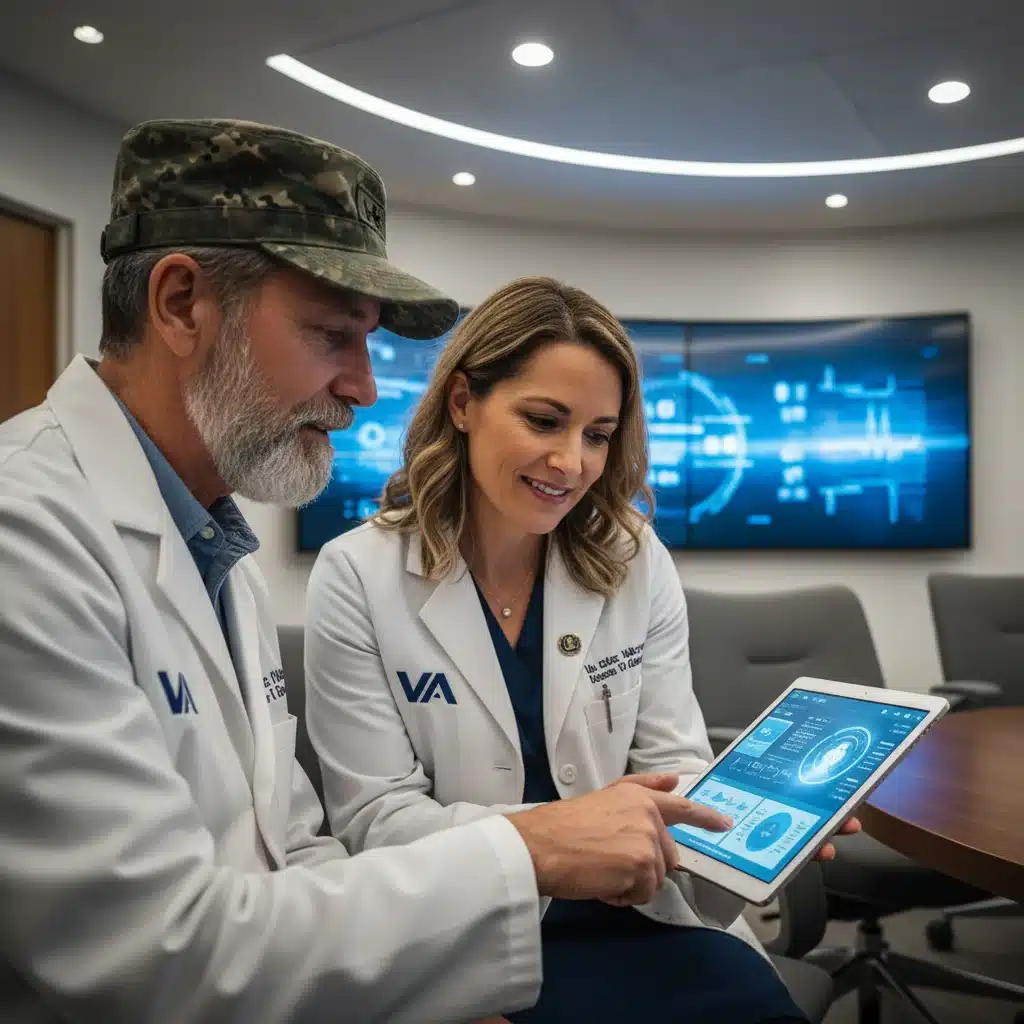
Telehealth services are also set for a major boost. Building on the lessons learned from recent years, the VA is investing heavily in telehealth infrastructure to ensure veterans in rural or underserved areas can access high-quality medical and mental health care from the comfort of their homes. This expansion includes more virtual appointments, remote monitoring, and digital tools to manage health conditions. Veterans can expect more seamless integration of telehealth into their overall care plans, reducing travel burdens and wait times.
Specialized Care and Innovative Treatments
For veterans requiring specialized care, the Veterans Benefits 2026 updates introduce new programs and partnerships. This includes enhanced access to treatments for traumatic brain injuries (TBI), chronic pain management, and advanced prosthetic technologies. The VA is collaborating with leading research institutions and private sector innovators to bring cutting-edge treatments to veterans, ensuring they receive the best possible care for complex health issues.
There’s also a renewed focus on women veterans’ health, with specific initiatives aimed at addressing their unique healthcare needs, including reproductive health services, gender-specific care, and tailored mental health programs. These efforts reflect a commitment to providing equitable and comprehensive care for all veterans, regardless of gender or service era.
Prescription Drug Program Adjustments
The VA’s prescription drug program will also see some adjustments. While the core benefit of low-cost or no-cost prescriptions remains, there may be changes to formulary lists, co-payment structures for certain medications, and processes for obtaining specialty drugs. Veterans are encouraged to review their VA pharmacy benefits carefully and consult with their VA healthcare providers to understand any potential impacts on their medication regimens. The aim of these adjustments is to ensure cost-effectiveness while maintaining access to essential medications.
Navigating Housing Assistance Program Updates in 2026
Housing stability is a cornerstone of veteran well-being, and the Veterans Benefits 2026 also brings important updates to VA housing assistance programs. These changes are designed to make homeownership more accessible, prevent homelessness, and provide support for adaptive housing needs. Understanding these updates is crucial for veterans looking to buy a home, refinance, or secure assistance for housing modifications.
VA Home Loan Program Enhancements
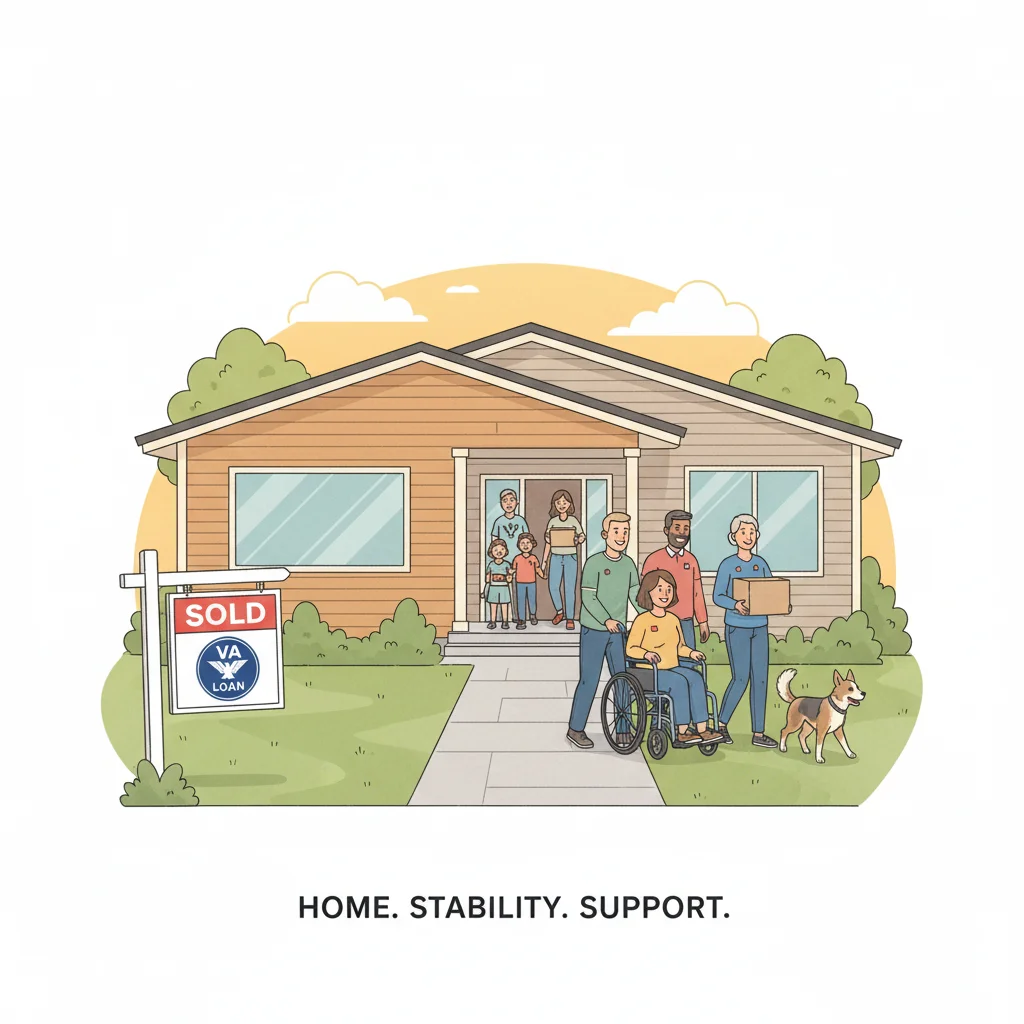
The VA Home Loan Guaranty program remains one of the most valuable benefits for veterans, offering competitive interest rates and often requiring no down payment. In 2026, we can expect refinements aimed at making the loan process even smoother and more accessible. This might include updated loan limits, streamlined application procedures, and enhanced educational resources for first-time homebuyers. There’s a continuous effort to simplify the eligibility criteria and documentation requirements, reducing the bureaucratic burden on veterans.
New initiatives could also focus on increasing awareness of the program among younger veterans and those who may not realize their eligibility. The VA is keen on ensuring that all eligible service members and veterans can leverage this powerful tool for achieving homeownership, contributing to long-term financial stability.
Support for Homeless Veterans
Addressing veteran homelessness continues to be a top priority for the VA. The Veterans Benefits 2026 updates include expanded funding and new strategies for programs like the Housing and Urban Development-VA Supportive Housing (HUD-VASH) program. These enhancements aim to provide more comprehensive support, including rental assistance, case management, and access to healthcare and employment services, to help homeless veterans transition into stable housing.
There’s also an increased focus on preventative measures, working with veterans at risk of homelessness to provide early intervention and support services before they lose their housing. This proactive approach is a critical component of the VA’s strategy to end veteran homelessness.
Adaptive Housing Grants
For veterans with service-connected disabilities, adaptive housing grants are vital for modifying homes to improve accessibility and quality of life. The Veterans Benefits 2026 updates may see increased grant amounts or expanded eligibility criteria for the Specially Adapted Housing (SAH) and Special Home Adaptation (SHA) grants. These grants help veterans make necessary modifications, such as installing ramps, widening doorways, or creating accessible bathrooms, ensuring their homes meet their specific needs.
The VA is also exploring ways to expedite the application and approval process for these grants, recognizing the urgent need for accessible living environments for severely injured veterans. This commitment reflects the VA’s dedication to supporting veterans in maintaining independence and dignity within their homes.
Disability Compensation and Pension Adjustments for 2026
Disability compensation and pension benefits are foundational for many veterans, providing crucial financial support for service-connected conditions and non-service-connected disabilities for eligible low-income veterans. The Veterans Benefits 2026 updates are expected to include cost-of-living adjustments (COLAs) and potential refinements to the claims and appeals process.
Cost-of-Living Adjustments (COLAs)
Each year, VA disability compensation and pension rates are typically adjusted based on the Social Security Administration’s (SSA) COLA. While the exact percentage for 2026 will be announced later, veterans can anticipate an adjustment to help their benefits keep pace with inflation. This ensures that the purchasing power of their benefits is maintained, providing stable financial support.
It’s important for veterans to understand that these COLAs are generally automatic and do not require any action on their part. However, staying informed about the announced percentages can help with personal financial planning.
Streamlining the Claims and Appeals Process
The VA has been continuously working to streamline its claims and appeals process to reduce backlogs and provide faster decisions for veterans. The Veterans Benefits 2026 may see further refinements to the VA Appeals Modernization Act, which introduced new review options (Supplemental Claim, Higher-Level Review, and Board Appeal). These refinements aim to make the process more efficient, transparent, and easier for veterans to navigate.
Increased investment in technology and staff training is expected to contribute to quicker processing times and more consistent decision-making. Veterans are encouraged to utilize VA-accredited representatives or veterans service organizations (VSOs) to assist them with their claims, as these professionals can provide invaluable guidance through the complex process.
Education and Employment Benefits: What’s New in 2026?
Beyond healthcare and housing, education and employment benefits are vital for veterans transitioning to civilian life or seeking career advancement. The Veterans Benefits 2026 updates also touch upon these areas, aiming to enhance opportunities for career development and educational attainment.
GI Bill and Educational Assistance
While major overhauls to the Post-9/11 GI Bill are not typically annual occurrences, there may be minor adjustments to benefit amounts, eligibility criteria for certain programs, or expanded coverage for non-traditional education paths, such as coding bootcamps or vocational training. The VA is committed to ensuring that educational benefits remain relevant and adaptable to the evolving job market.
Veterans are advised to regularly check the VA’s education benefits website for the most up-to-date information on approved programs, benefit rates, and application procedures. Planning ahead and understanding the full scope of their educational entitlements is key to successful academic and career transitions.
Employment Support and Career Development
The VA, in collaboration with the Department of Labor, continues to enhance employment support services for veterans. The Veterans Benefits 2026 updates could include new partnerships with employers committed to hiring veterans, expanded job training programs, and improved resources for resume building and interview preparation. There’s a particular focus on connecting veterans with high-demand industries and providing support for entrepreneurship.
Programs like the Veteran Readiness and Employment (VR&E) program (formerly Vocational Rehabilitation and Employment) are continuously reviewed for effectiveness and may see adjustments to better serve veterans with service-connected disabilities seeking employment or career changes. These services are invaluable for veterans looking to leverage their military skills in the civilian workforce or acquire new ones.
How to Stay Informed and Maximize Your Veterans Benefits 2026
With so many changes coming into effect, proactive engagement is crucial. Staying informed about the Veterans Benefits 2026 updates requires diligence and knowing where to find reliable information. Here are key strategies to ensure you’re always up-to-date and maximizing your entitlements:
Official VA Resources
- VA.gov: The official Department of Veterans Affairs website (VA.gov) is your primary source for all information regarding benefits. Regularly check the news and updates sections.
- eBenefits Portal: This online portal allows you to manage your benefits, track claims, and access your personal information. Ensure your contact details are current.
- My HealtheVet: For healthcare-specific information, appointments, and prescription refills, My HealtheVet is an indispensable tool.
- VA News Releases: Subscribe to official VA newsletters and press releases to receive timely updates directly to your inbox.
Veterans Service Organizations (VSOs)
VSOs such as the American Legion, Veterans of Foreign Wars (VFW), Disabled American Veterans (DAV), and others, are invaluable resources. They often have accredited representatives who can provide free assistance with claims, appeals, and understanding complex VA regulations. These organizations are typically among the first to receive and disseminate information about new Veterans Benefits 2026 policies.
Local VA Facilities and Community Outreach
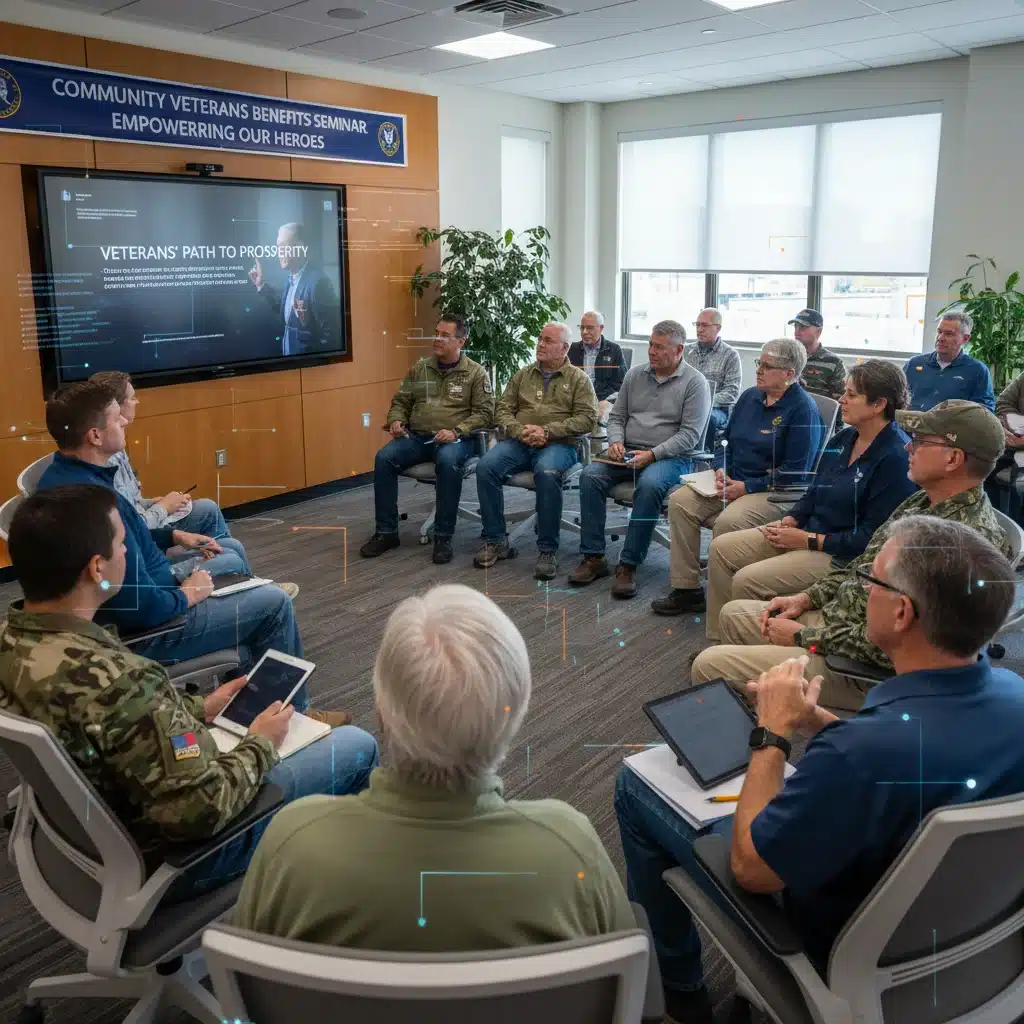
Your local VA medical center or regional benefits office often hosts informational sessions and workshops. Attending these events can provide direct access to VA representatives who can answer specific questions and guide you through new processes. Community outreach programs are also excellent avenues for learning about local resources and support networks.
Consult a Benefits Counselor
If you have complex questions or need personalized advice, consider consulting a VA benefits counselor or an accredited representative. They can provide tailored guidance based on your individual circumstances and help you navigate the intricacies of the Veterans Benefits 2026 updates.
Preparing for the Future: A Proactive Approach to Your Benefits
The Veterans Benefits 2026 updates represent the VA’s ongoing commitment to serving those who have served our nation. While change can sometimes be daunting, these revisions are generally aimed at improving the accessibility and effectiveness of veteran support programs. By taking a proactive approach, staying informed, and utilizing the available resources, you can ensure that you are fully prepared to leverage these benefits to their fullest potential.
It is paramount to regularly review your current benefits, understand your eligibility for new or expanded programs, and update your personal information with the VA. Do not hesitate to seek assistance from VSOs or VA representatives; their expertise is a free and invaluable asset. Your dedication and sacrifice have earned these benefits, and taking the time to understand and manage them effectively is a crucial step in securing your well-being and that of your family.
The journey through the evolving landscape of veterans’ benefits is a continuous one. Embrace the opportunity to learn, adapt, and advocate for your rights. The Veterans Benefits 2026 are designed to empower you, and with the right information and support, you can confidently navigate these changes and build a secure future.
Key Takeaways for Veterans Benefits 2026:
- Healthcare: Expect expanded mental health, telehealth, and specialized care services. Review prescription program changes.
- Housing: Look for streamlined VA Home Loan processes and enhanced support for homeless veterans and adaptive housing.
- Disability & Pension: Anticipate COLAs and continued efforts to simplify claims and appeals.
- Education & Employment: Stay informed about GI Bill adjustments and new career development resources.
- Stay Informed: Utilize VA.gov, eBenefits, VSOs, and local VA facilities for the latest and most accurate information.